From Unpredictable Nights to More Stable Sleep: Here’s How We Help
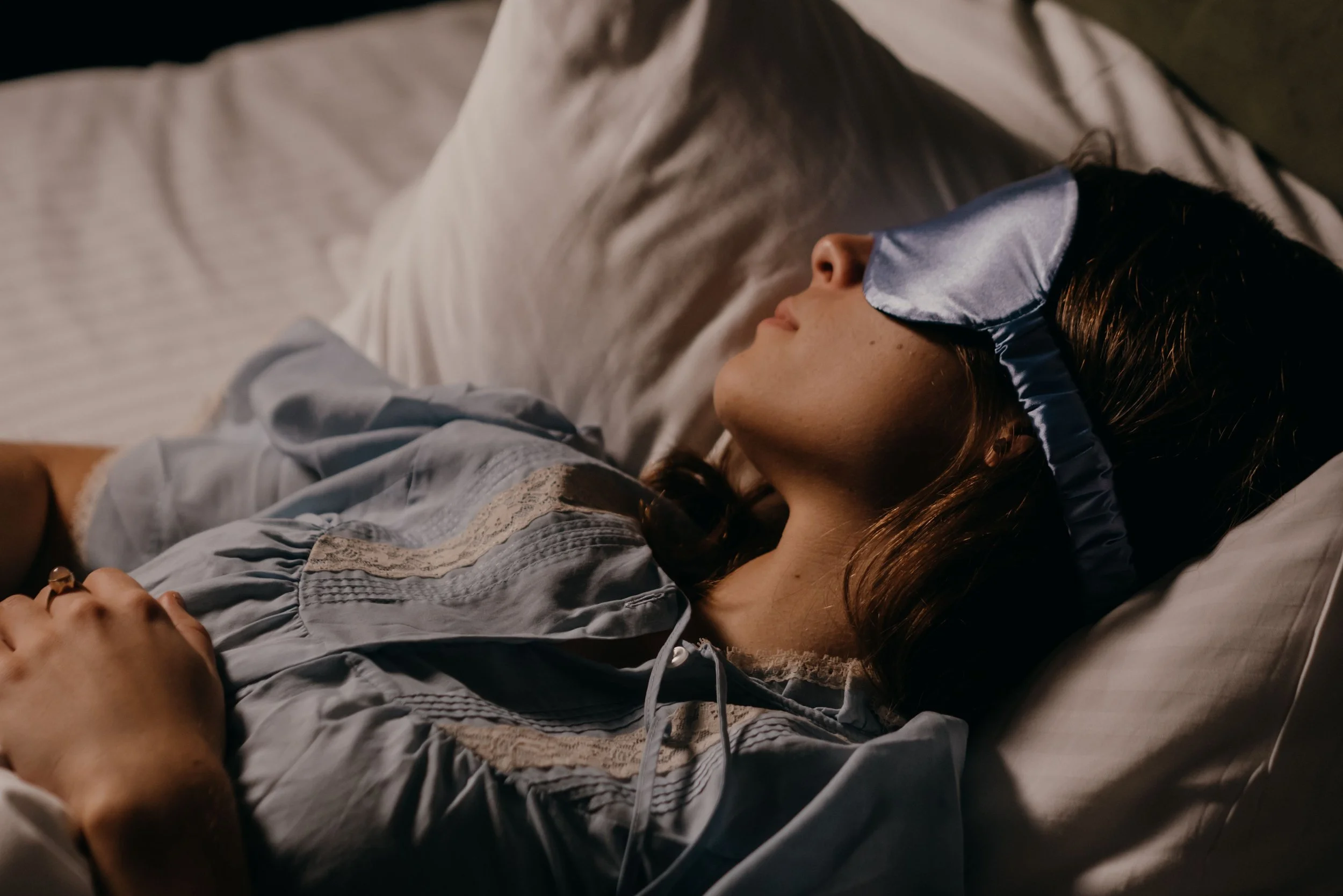
Sleeping well for one or two nights is not the same as having stable sleep.
For many people struggling with insomnia, sleep becomes unpredictable. One night may be relatively good, followed by several nights of difficulty falling asleep, repeated awakenings, waking too early, or feeling exhausted despite spending enough time in bed.
At Acutherapy Center, our goal is not simply to help you have one good night. We work toward making sleep more consistent, restorative, and less easily disrupted.
First, We Understand Your Sleep Pattern
Not all sleep problems are the same.
Before beginning treatment, we look at how you actually sleep:
How long does it take you to fall asleep?
How often do you wake during the night?
Do you wake at a particular time?
Can you fall back asleep easily?
How do you feel when you wake up?
Does stress immediately affect your sleep?
Are symptoms such as pain, tinnitus, digestive discomfort, or palpitations interfering with your nights?
This helps us understand the pattern behind your insomnia rather than treating every sleep complaint in the same way.
We Look Beyond the Number of Hours
Eight hours in bed does not necessarily mean eight hours of restorative sleep.
Sleep quality also depends on continuity, depth, timing, and how you feel the following day.
Someone sleeping seven hours with frequent awakenings may feel much worse than someone sleeping six and a half hours continuously.
This is why we pay attention to changes such as fewer awakenings, shorter sleep-onset time, easier return to sleep, improved morning energy, and greater consistency from night to night.
We Work With the Nervous System
Sleep is not simply something you can force yourself to do.
Your brain needs to transition from wakefulness and alertness into a state that allows sleep to occur naturally. Stress, persistent mental activity, irregular routines, pain, and other physical symptoms can make this transition more difficult.
Our neuroacupuncture approach is designed around this relationship between the nervous system and sleep.
Rather than thinking only about “relaxation,” we focus on helping create the physiological conditions in which the brain can move more easily between wakefulness, rest, and sleep.
We Track Your Response
One of the most important parts of our approach is following what happens between sessions.
We may monitor:
Sleep onset: Are you falling asleep faster?
Night awakenings: Are they becoming less frequent?
Return to sleep: Can you fall asleep again more easily?
Total sleep: Is your sleep gradually becoming longer or more continuous?
Morning state: Are you waking with better energy and mental clarity?
Stability: Are good nights becoming more frequent and bad nights less disruptive?
Progress is not always perfectly linear. Sleep can still fluctuate with stress, travel, illness, hormonal changes, or changes in routine. What matters is whether the overall pattern is becoming more stable.
We Adjust the Treatment as Your Sleep Changes
Your treatment does not have to remain identical from the first session to the last.
As your sleep pattern changes, we reassess your response and adjust the treatment accordingly.
For example, the initial priority may be difficulty falling asleep. Later, falling asleep may improve while early-morning waking remains. The treatment strategy can then evolve with you.
This is why we prefer a structured treatment plan rather than isolated, random sessions.
The Goal: Sleep That Feels Reliable Again
For many people with long-term sleep problems, one of the hardest parts is not knowing what kind of night they are going to have.
Will I fall asleep tonight?
Will I wake up at 3 a.m. again?
Will tomorrow be ruined because I didn't sleep?
Our goal is to gradually move away from this unpredictability.
Stable sleep does not mean that every night must be perfect. It means developing a sleep pattern that is more consistent, more restorative, and more resilient when life becomes stressful.
At Acutherapy Center, we combine modern neuroacupuncture with structured sleep assessment and progress tracking to help you understand your sleep and work toward lasting improvement.
