What Happens in the Brain During Acupuncture? A 2026 Neuroimaging Review
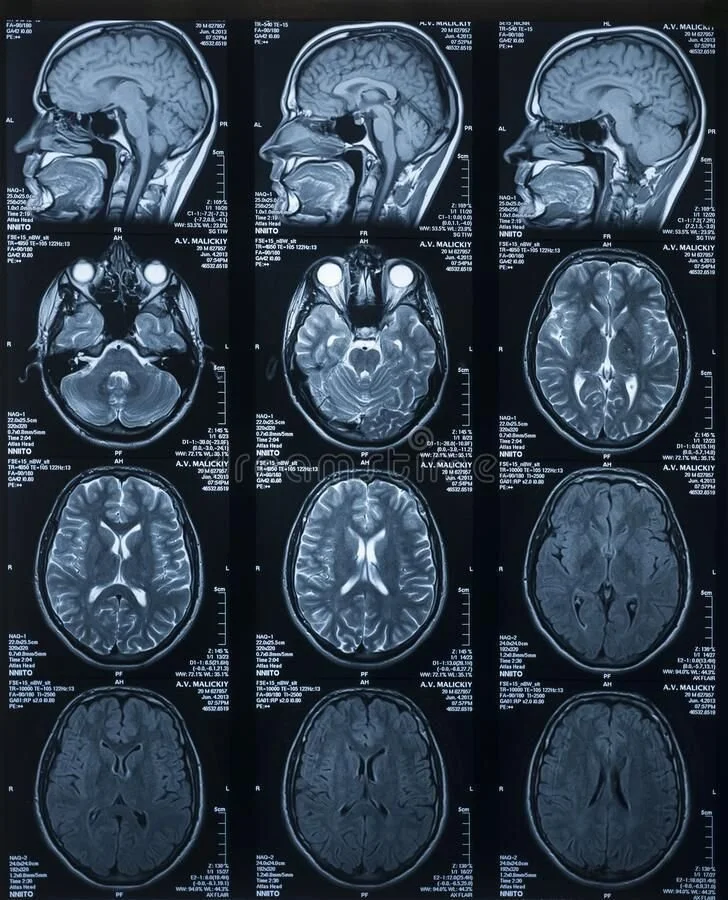
Acupuncture has been used for centuries, but modern neuroscience is now helping researchers understand what may happen in the brain during treatment.
A 2026 review published in Frontiers in Human Neuroscience brought together research using brain-imaging technologies such as MRI, EEG and PET to study the effects of acupuncture on the nervous system.
Acupuncture does more than stimulate the skin
When an acupuncture needle is inserted, it stimulates sensory nerves that send signals toward the brain.
Research suggests that this stimulation may influence areas and networks involved in pain, emotions, attention, and the regulation of body functions.
Brain-imaging studies have particularly observed changes in networks such as the Default Mode Network and Salience Network, which are involved in how the brain processes internal thoughts, sensations, and important information.
What happens to brain activity?
EEG studies, which measure the brain's electrical activity, have also found changes during or after acupuncture.
One finding reported across several studies is an increase in alpha brain-wave activity. Alpha activity is commonly associated with a relaxed but awake state.
This may help researchers better understand why relaxation is frequently reported during acupuncture, although more research is needed to determine exactly how these changes relate to treatment effects.
Acupuncture may also influence brain chemistry
The review also examined PET studies, which allow researchers to investigate chemical processes inside the brain.
Some research suggests that acupuncture may interact with the body's natural opioid system, one of the systems involved in regulating pain.
This suggests that acupuncture's effects may involve several levels of the nervous system rather than one single mechanism.
What does this research tell us?
The important message is that acupuncture is increasingly being studied using modern neuroscience tools.
Researchers can now observe measurable changes in brain activity, brain networks, and some neurochemical processes associated with acupuncture.
At the same time, the science is still developing. Larger and better-controlled studies are needed to understand which changes are specific to acupuncture and how they relate to improvements in symptoms.
Reference:
Liu S, Bai Y, Liu J, et al. (2026). Decoding the mechanisms of acupuncture by neuroimaging: an integrated review from networks to molecules. Frontiers in Human Neuroscience.
