The Stress Loophole: Why Rest Doesn’t Always Make You Feel Better
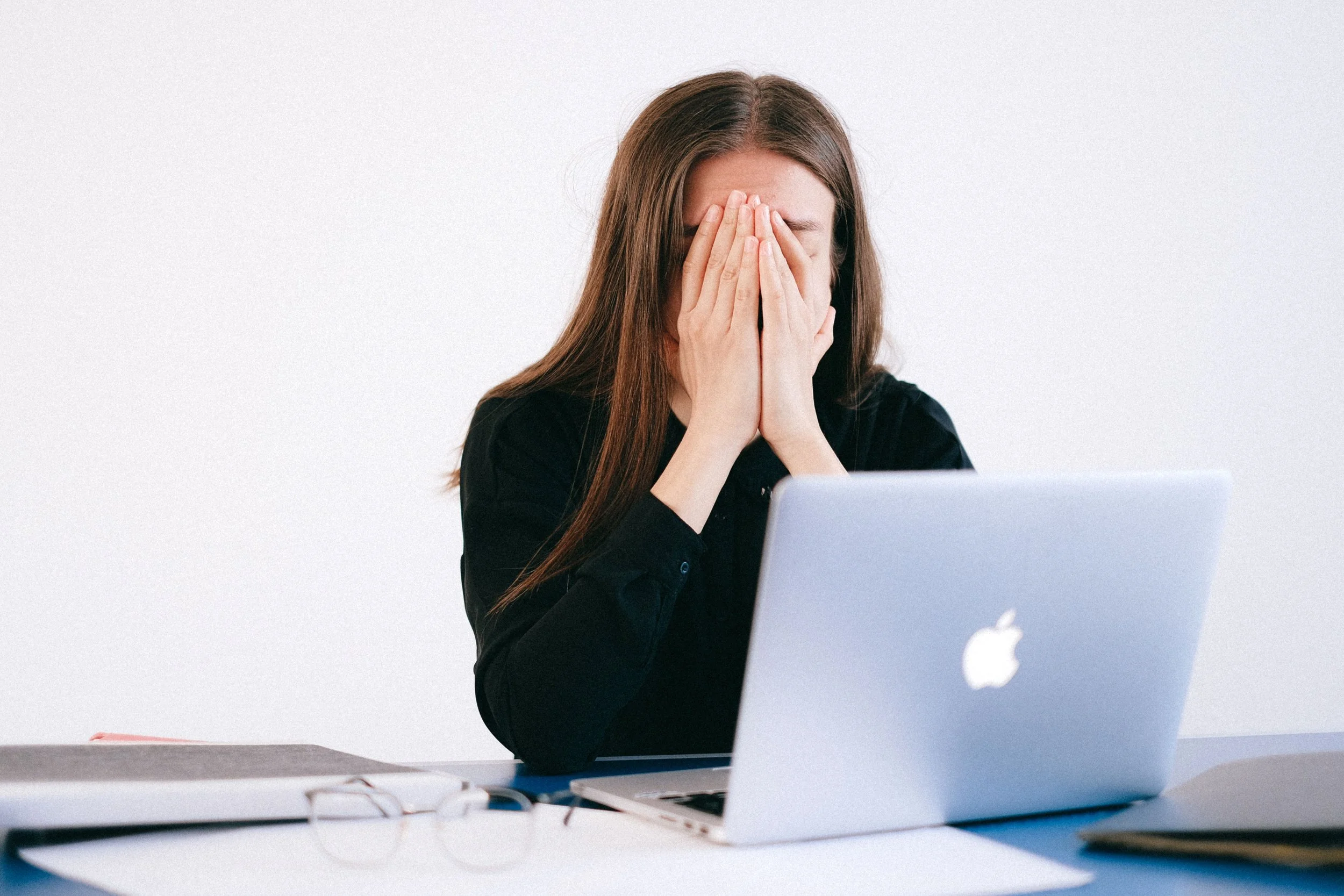
You take a day off. You sleep longer. You avoid stressful situations. Maybe you exercise, take magnesium, meditate, or go on vacation.
Yet somehow, the moment you return to normal life, the tension comes back.
Your sleep becomes lighter. Your mind starts racing again. Your digestion reacts. You feel tired but unable to fully switch off.
This is what we call the stress loophole: you are trying to remove stress without addressing how your nervous system is responding to it.
Stress Is Not Just What Happens to You
Stress is often treated as something external: work, responsibilities, lack of sleep, relationships, deadlines or an overwhelming schedule.
But your body also has its own stress response.
When your brain detects a challenge, your autonomic nervous system helps prepare the body to respond. Heart rate, muscle tension, alertness, digestion and sleep can all change as part of this response.
Normally, the system should be able to activate when necessary and settle again afterward.
The problem begins when settling becomes difficult.
You may no longer be dealing with the original stressful event, but your body can continue behaving as though it needs to remain alert.
The Loophole: Removing Stress ≠ Recovering From Stress
This explains why simply “resting more” doesn't always solve the problem.
A holiday may temporarily remove your workload.
Sleeping in may give you additional hours in bed.
A quiet weekend may reduce stimulation.
But if your nervous system quickly returns to the same pattern once normal life resumes, the relief may only be temporary.
The goal shouldn't be to create a life with absolutely no stress, that is unrealistic!
The more useful goal is to improve your ability to move between activation and recovery.
How Can You Tell You’re Stuck in the Loop?
It may show up differently from person to person. Some people notice difficulty falling asleep or waking repeatedly during the night. Others experience headaches, digestive discomfort, persistent muscle tension, palpitations, fatigue, difficulty concentrating or feeling unusually sensitive to everyday demands.
This doesn't mean that every symptom is caused by stress. Persistent or unexplained symptoms should always be medically evaluated when appropriate.
But when stress and nervous-system regulation are contributing factors, simply treating each symptom separately may not address the whole picture.
How We Help at Acutherapy Center
At Acutherapy Center, we don't approach stress as something you simply need to “relax” your way out of.
We look at how it is affecting you:
1. We assess your pattern
We start by understanding what has changed: your sleep, energy, concentration, digestion, headaches, physical tension and other relevant symptoms.
When appropriate, we also use structured questionnaires and assessments to help us follow your progress rather than relying only on how you feel on one particular day.
2. We use neuroacupuncture
Our approach combines acupuncture with an understanding of modern neuroscience and nervous-system function.
Treatment is individualized according to your symptoms and clinical presentation rather than using the same acupuncture protocol for everyone.
The aim is to support the body's ability to shift away from persistent overactivation and toward a more stable state of regulation and recovery.
3. We track what actually changes
Feeling relaxed for 30 minutes after a session isn't our only goal.
We are more interested in what happens between sessions.
Are you falling asleep more easily?
Are you waking less?
Are headaches becoming less frequent?
Is your digestion more stable?
Can you handle a stressful day without experiencing the same physical reaction afterward?
These changes help us understand whether your overall pattern is improving.
The Goal Is Not Zero Stress
You will still have busy weeks.
You will still have difficult days.
You will still experience stress.
The difference is that your body shouldn't have to remain stuck there.
At Acutherapy Center, our goal is to help you build a nervous system that can respond when necessary and recover when the stressful moment has passed.
Because sometimes the solution isn't simply less stress.
It's better recovery from it.
