Understanding Neuroacupuncture.
What Is Neuroacupuncture?
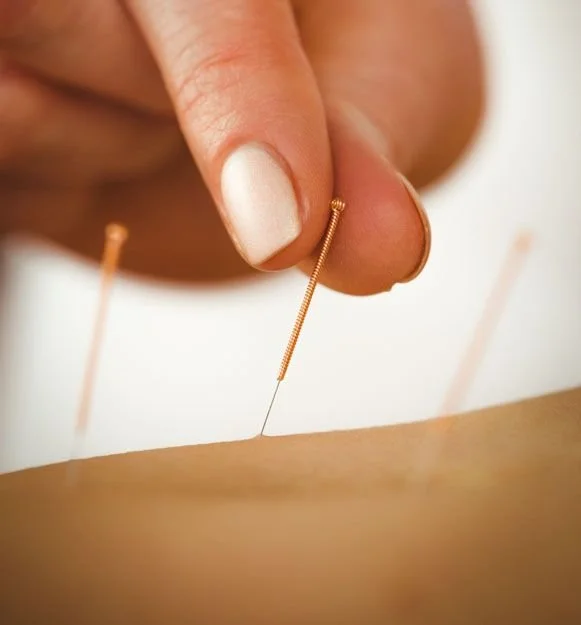
Neuroacupuncture is a modern approach that combines the principles of neuroscience with acupuncture to target the nervous system. Rather than focusing only on traditional energy pathways, neuroacupuncture uses current knowledge of brain anatomy, the spinal cord, peripheral nerves, and neuroplasticity to support recovery and improve nervous system function.
Today, it is increasingly used worldwide alongside conventional medicine for neurological disorders, chronic pain, movement disorders, migraine, sleep disorders, and functional digestive conditions.
How Is Neuroacupuncture Different from Traditional Acupuncture?
Although neuroacupuncture uses acupuncture needles, the treatment philosophy is different.
Traditional acupuncture is primarily based on Traditional Chinese Medicine (TCM), where treatment is guided by concepts such as Qi, meridians, Yin-Yang balance, and organ systems.
Neuroacupuncture, however, incorporates modern neuroscience. Treatment decisions are informed by an understanding of:
Brain function
Peripheral nerve pathways
The autonomic nervous system
Pain neuroscience
Neuroplasticity
Functional neuroanatomy
Many practitioners integrate both traditional knowledge and modern neuroscience to provide individualized treatment.
How Does Neuroacupuncture Work?
One of the remarkable features of the nervous system is its ability to change throughout life. This ability is known as neuroplasticity.
Neuroplasticity allows the brain and nervous system to form new connections, reorganize existing pathways, and adapt following injury, illness, or long-term dysfunction. Neuroacupuncture is designed to support these natural processes by stimulating specific areas of the nervous system involved in movement, sensation, pain regulation, autonomic function, and cognitive processing.
Rather than forcing the body to change, neuroacupuncture aims to encourage the nervous system's own capacity for adaptation and recovery.
What Conditions Can Neuroacupuncture Support?
Neuroacupuncture may be used as part of a broader care plan for a range of neurological and nervous system-related conditions. The aim is not to replace medical treatment, but to support symptoms, function, recovery, and quality of life alongside conventional care when appropriate.
Neurological Conditions
Neuroacupuncture may support people recovering from or living with conditions such as:
Stroke
Post-traumatic brain injury
Bell’s palsy
Peripheral neuropathy
Trigeminal neuralgia
Spinal cord injury
Balance disorders
Dizziness and vertigo
Muscle weakness, spasticity, or tremor
Neurodegenerative Diseases
For progressive neurological diseases, neuroacupuncture may be included in an individualized, multidisciplinary care plan.
These conditions may include:
Parkinson’s disease
Alzheimer’s disease
Lewy body dementia
Frontotemporal dementia
Multiple Sclerosis
Huntington’s disease
Amyotrophic lateral sclerosis
Neuroacupuncture does not reverse neurodegenerative disease. Its role is supportive and may focus on concerns such as mobility, balance, stiffness, pain, sleep, digestion, autonomic symptoms, anxiety, and overall quality of life.
Nervous System Regulation
Neuroacupuncture may also support conditions linked to nervous system dysregulation, including:
Insomnia
Anxiety and chronic stress
Panic symptoms
Dysautonomia / POTS
Chronic fatigue
Brain fog
Functional digestive disorders
Pain, Sensory, and Cognitive Symptoms
Other areas of support may include:
Migraine and chronic headaches
Tinnitus
Chronic pain
Fibromyalgia
Attention and concentration difficulties
Memory concerns
Cognitive changes
Sensory processing difficulties
The suitability of neuroacupuncture depends on the individual’s diagnosis, symptoms, medical history, and current treatment plan. A clinical assessment is required before treatment begins.
What Happens During a Neuroacupuncture Session?
At the Acutherapy Center, treatment begins with a comprehensive consultation to understand your symptoms, medical history, and how your nervous system may be contributing to your condition.
Following this assessment, an individualized treatment plan is developed.
Depending on your needs, treatment may involve acupuncture on the scalp, body, ears, or a combination of these approaches. The number and location of needles vary according to the condition being treated and your specific treatment goals.
Progress is monitored throughout your treatment to ensure the plan continues to meet your needs.
